Advances in Engineering Advances in Engineering features breaking research judged by Advances in Engineering advisory team to be of key importance in the Engineering field. Papers are selected from over 10,000 published each week from most peer reviewed journals.

Significance
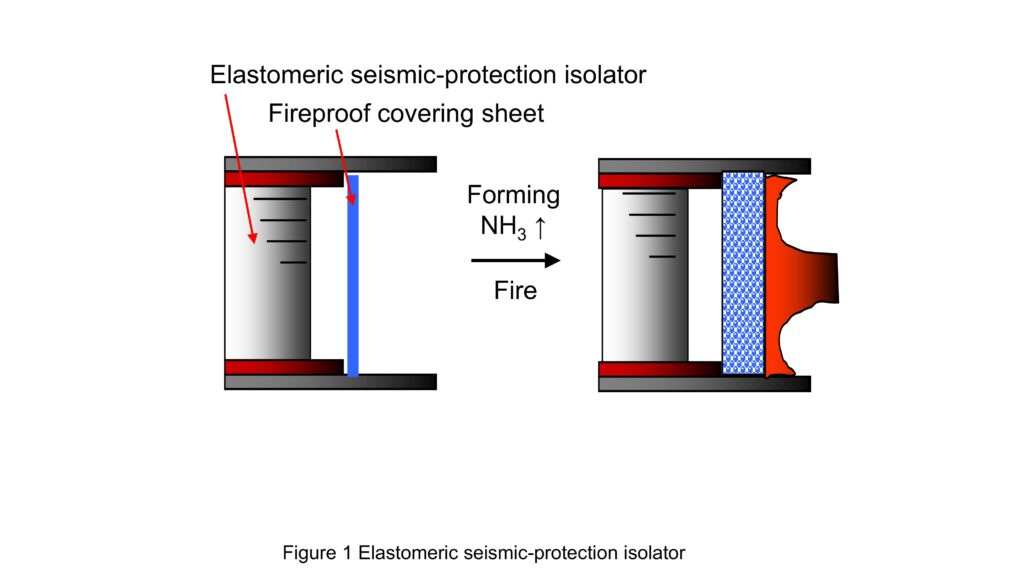
Seismic isolation is critical in earthquake-resistant design, especially in countries where damaging ground motion is common. Elastomeric isolators, especially have proven remarkably effective at accommodating large deformations and limiting force transfer to the superstructure. However, earthquakes rarely occur in isolation and in many urban settings, they are followed by fires whose duration and intensity can rival, or even exceed, the initial mechanical event. Therefore, the long-term performance of isolators cannot be reduced to their mechanical response alone. Fire exposure introduces a different set of constraints, ones that are often only partially captured by standardized testing. In dense cities with a high proportion of wooden buildings, fires can spread unevenly and persist for hours. Isolators positioned at the base of structures may therefore experience sustained heating under conditions that differ from those imposed in experimental laboratory fire tests. This mismatch between real exposure and experimental simplification raises an uncomfortable but necessary question: how reliable are protective materials once they have aged in service for years, or decades? For a long time, fire protection of elastomeric isolators relied almost exclusively on inorganic materials, including ceramic blankets and calcium silicate boards. Their thermal resistance is not in doubt. What is more problematic is their mechanical deformability with seismic isolation systems. These coverings are stiff, prone to cracking under large shear strains, and often bulky. They solve one problem while quietly introducing others. Recent revisions to Japanese building standards Law have therefore made room for organic fireproof polymer composite sheets, provided that their insulating performance fire res can be demonstrated with sufficient rigor.
The effectiveness of these polymer-based sheets relies on intumescence, a chemically delicate process that depends on the continued availability of mobile, low-molecular-weight additives. This dependency becomes problematic once real installation environments are considered. Isolators are commonly placed in pits or enclosed spaces where rainwater can accumulate and remain for long periods. During routine inspections, polymer fireproof sheets have been observed to discolor and harden after years in service, changes that are difficult to attribute to simple aging alone. These observations point toward chemical loss or redistribution, yet surprisingly few studies have examined how environmental exposure translates into functional degradation. As a result, a gap remains between the assumed durability of intumescent polymer systems and their actual behavior under prolonged, imperfectly controlled conditions. To this end, new research paper published in Polymers for Advanced Technologies and conducted by Koichiro Takahashi, Dr. Yoshito Ohtake, and led by Professor Seiichi Kawahara from the Department of Materials Science and Bioengineering at Nagaoka University of Technology in collaboration with Dr. Yoshimasa Yamamoto from National Institute of Technology, Tokyo College, the researchers elucidated the degradation mechanism of an intumescent fireproof polymer composite sheet designed for elastomeric seismic-protection isolators. They established a direct link between environmental exposure and loss of fireproof functionality by combining combusion testing with chemical, microstructural, and mechanical analyses of both unused and field-aged materials.
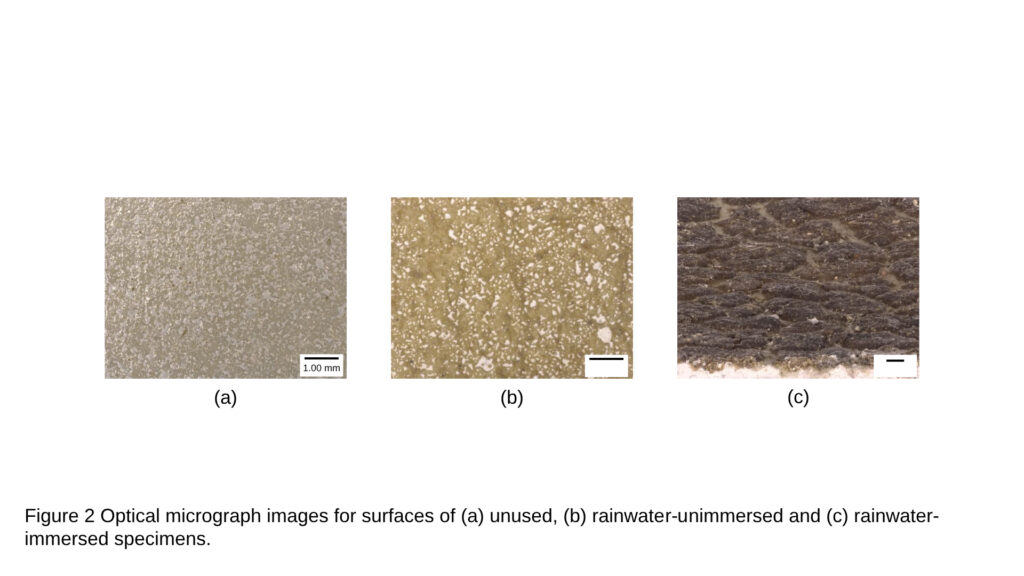
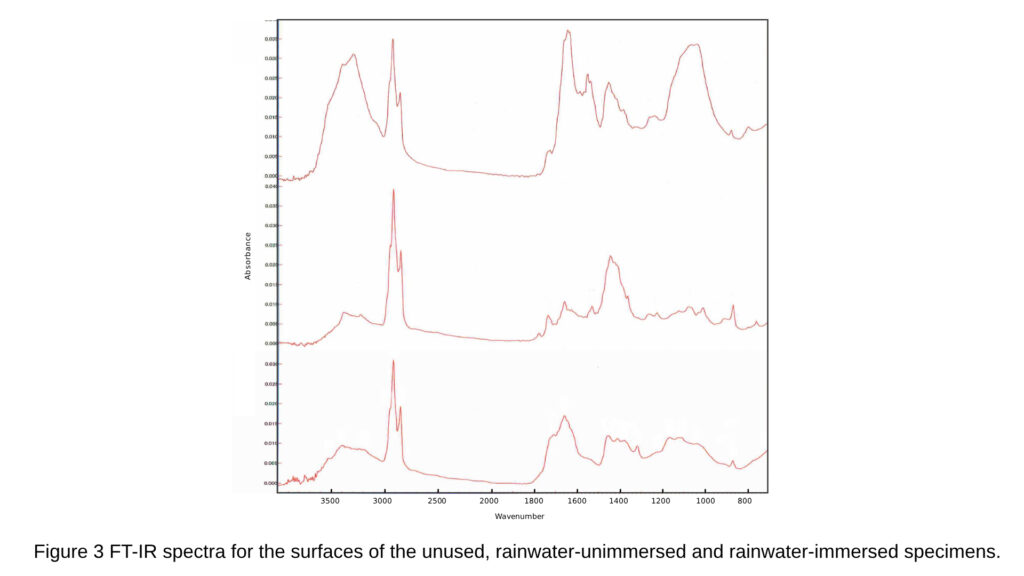
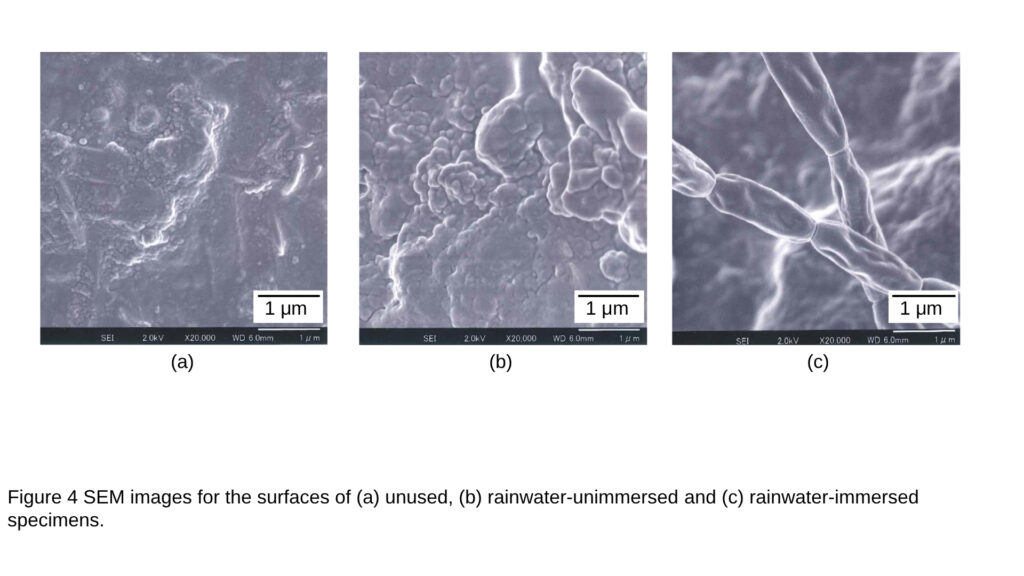
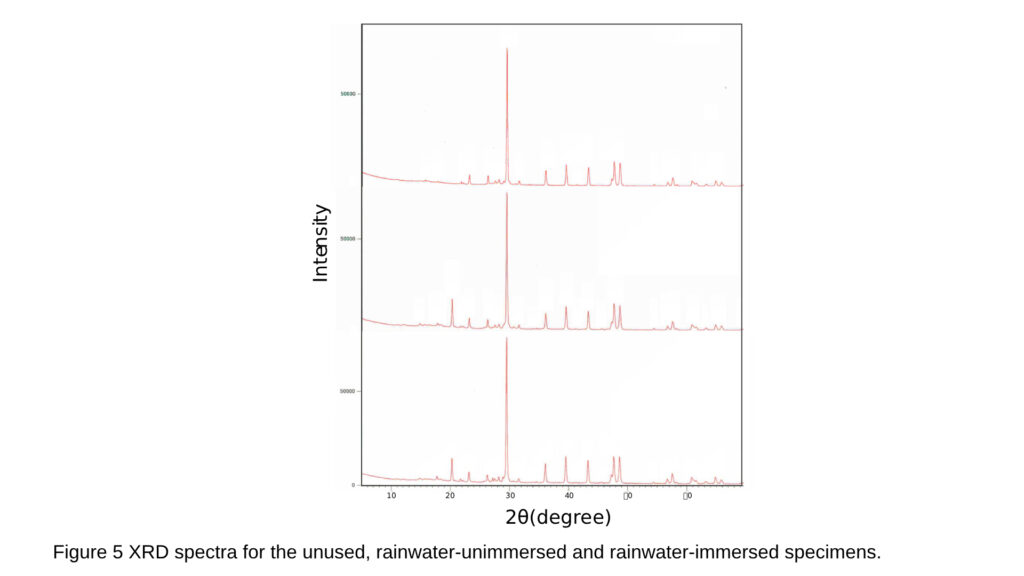
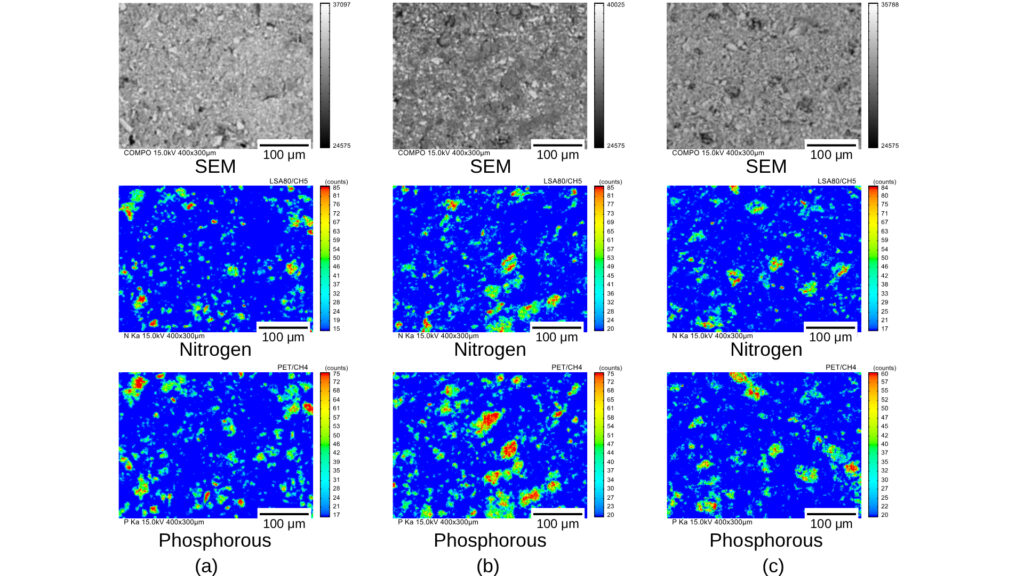
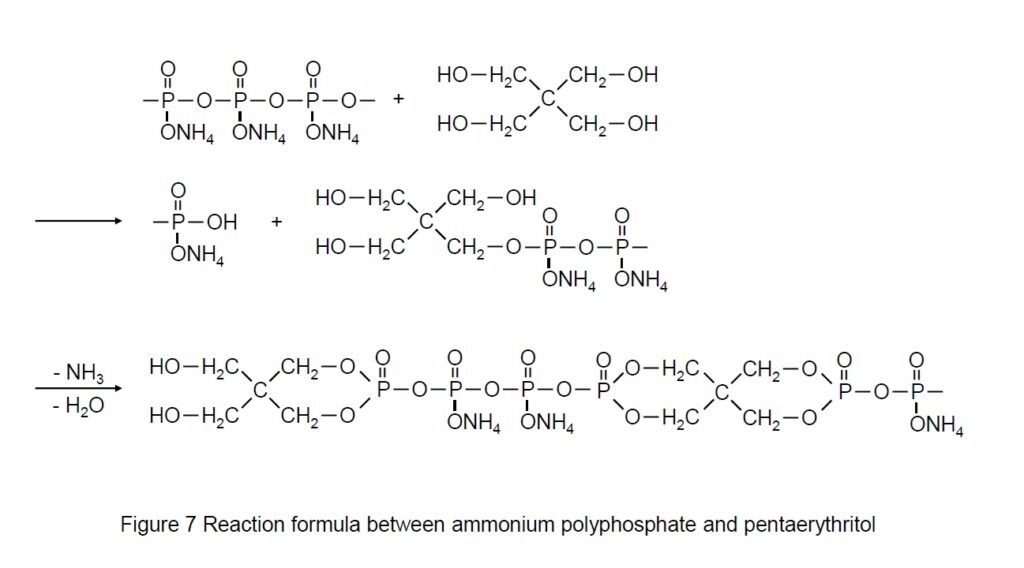
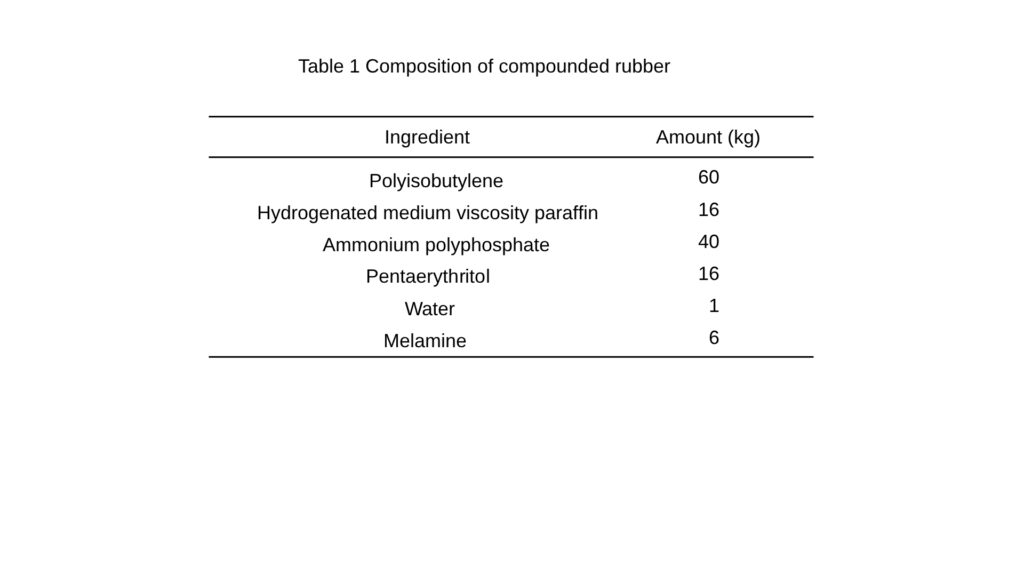
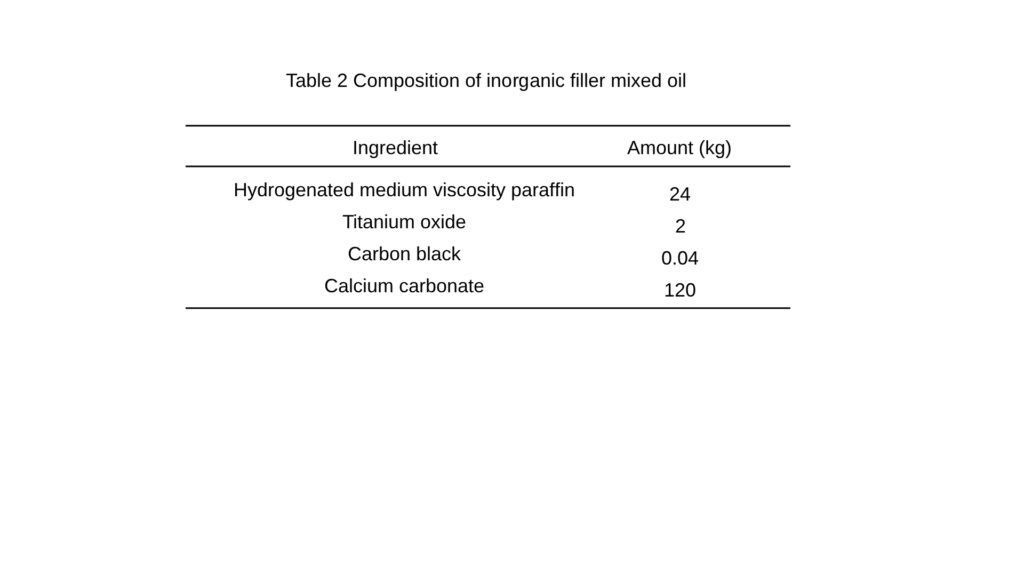
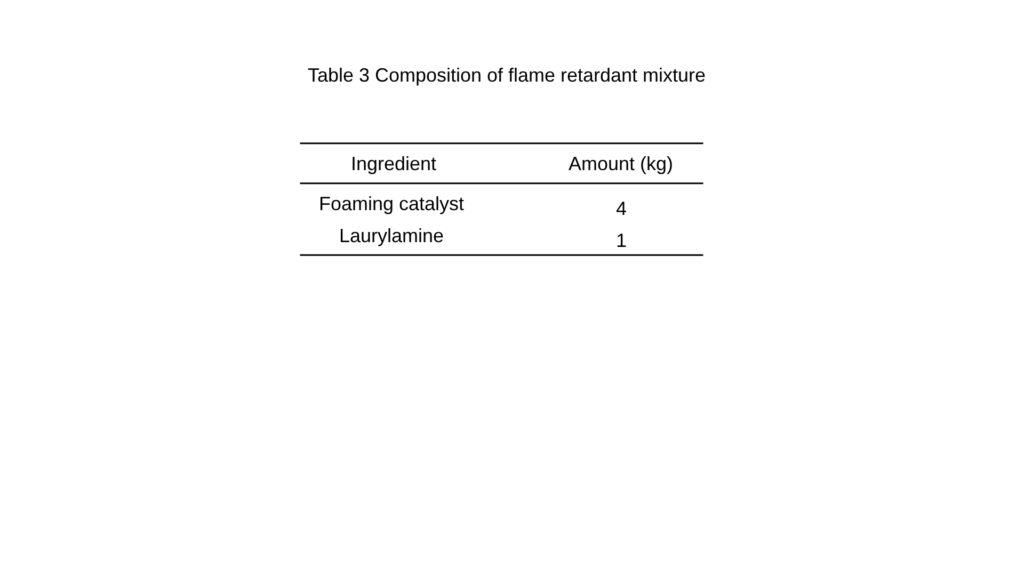
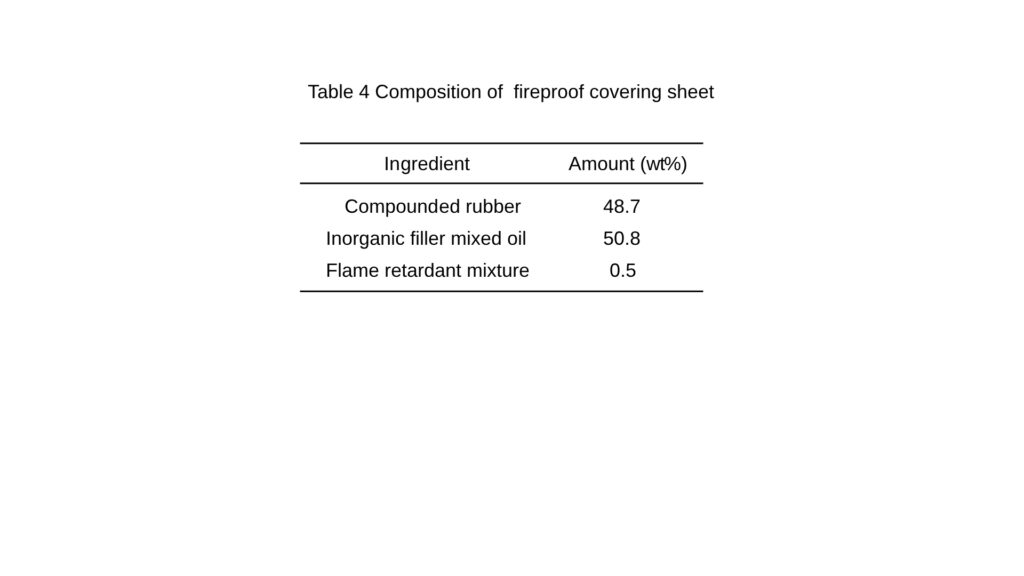
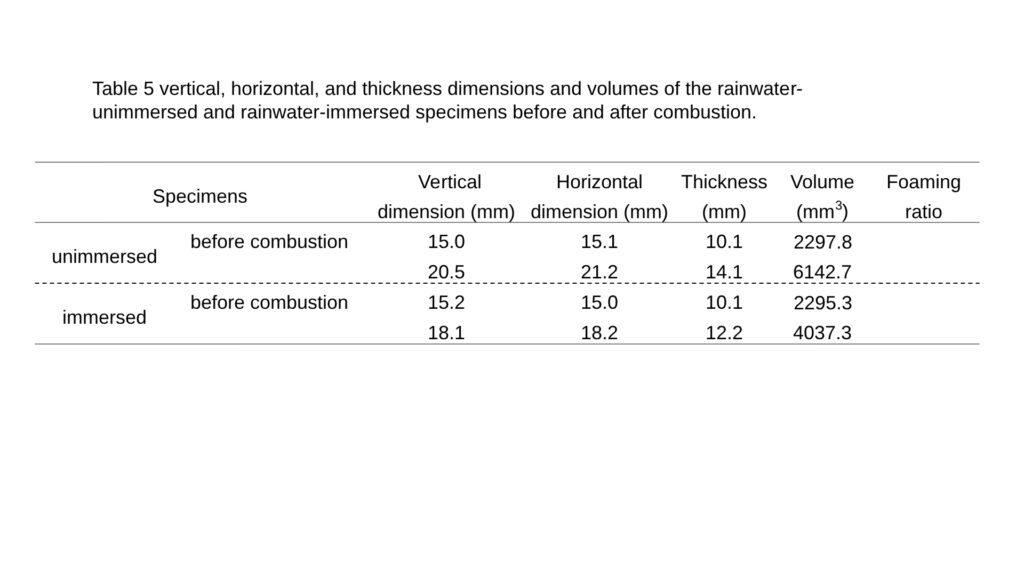
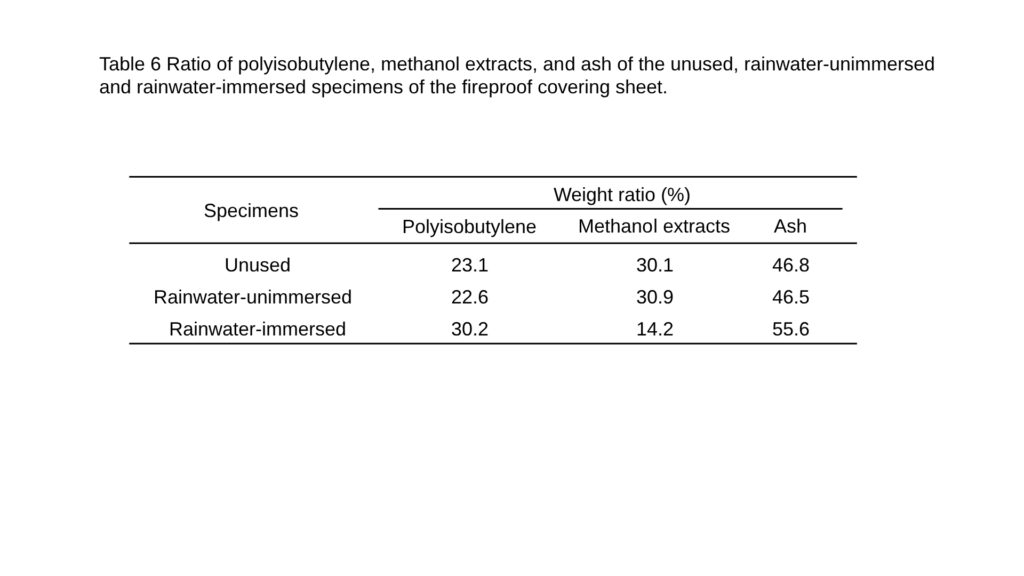
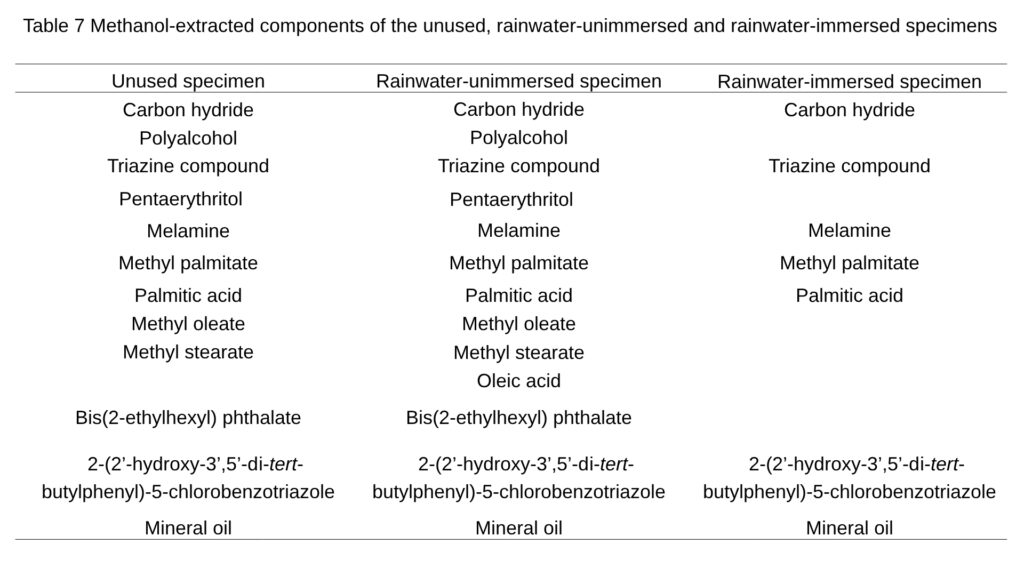
The research team prepared fireproof polymer composite sheets using a polyisobutylene-based formulation incorporating flame retardants, plasticizers, and inorganic fillers. The material design emphasized intumescence, with ammonium polyphosphate and pentaerythritol serving as key reactive components during combustion. The authors subjected sheets of varying thickness to controlled fire exposure in order to evaluate performance under realistic conditions, while additional specimens were obtained from an in-service seismic isolator that had experienced approximately 24 months of rainwater immersion over a 14-year period. Afterward, they evaluated the heat-sielding performance through heat release rate and fire resistance testing and found during combustion, sheet thickness and foaming ratio emerged as dominant parameters governing backside temperature. Thin sheets with limited foaming allowed rapid heat transmission, whereas increased expansion during combustion produced thicker char layers that significantly delayed temperature rise. They observed an optimal balance near a thickness of roughly 10 mm, where intumescence generated a stable insulating layer without excessive expansion that could compromise structural constraints. The authors also installed fireproof sheets on elastomeric seismic isolators and exposed to 2 hours of heating, the temperature within the isolator remained well below levels known to damage vulcanized rubber. Subsequent horizontal displacement testing demonstrated that shear modulus and load–displacement behavior were effectively unchanged after fire exposure, which confirmed that intact fireproof sheets successfully preserved seismic functionality. The authors also examined rainwater-immersed specimens and found visual inspection showed surface discoloration and the formation of dark, mesh-like domains absent in unused and unimmersed controls. Upon combustion, these immersed sheets exhibited markedly reduced volumetric expansion, with foaming ratios dropping to less than half those of unaffected specimens. According to the authors, the loss of intumescence translated directly into diminished fire resistance and heat insulation. Additionally, the team performed chemical analyses to obtain some mechanistic explanation and noted methanol extraction followed by spectroscopic and chromatographic characterization showed that prolonged water exposure led to substantial leaching of polyalcohols, pentaerythritol, and mineral oil plasticizers. In contrast, ammonium polyphosphate and inorganic fillers remained largely intact. The selective removal of pentaerythritol was particularly consequential, as its reaction with ammonium polyphosphate is central to ammonia gas generation and char formation during heating. Their microstructural observations further reinforced these findings. Rainwater-immersed specimens displayed increased hardness and altered phase morphology, consistent with plasticizer loss. Biological growth, including fungal hyphae, was detected on immersed surfaces, although it did not directly contribute to foaming suppression. X-ray diffraction confirmed the disappearance of crystalline pentaerythritol in immersed sheets, while elemental mapping demonstrated that phosphorus-containing flame retardants were still present but rendered ineffective in the absence of complementary foaming agents.
In conclusion, the work of Professor Seiichi Kawahara and colleagues successfully introduces a degradation model in which selective leaching of pentaerythritol and plasticizers suppresses foam formation despite intact flame retardants. This work advances durability-focused design principles for polymer-based fire protection in seismic infrastructure. Moreover, the new findings highlight the vulnerability of intumescent systems that rely on water-soluble or hydrophilic additives. Pentaerythritol, while effective as a char-forming agent, is shown here to be highly susceptible to leaching during prolonged rainwater immersion. Its removal disrupts the cooperative chemistry required for ammonia gas release, foam expansion, and char stabilization. The implications for seismic engineering are equally important. Elastomeric isolators are designed for long service lives, often exceeding several decades. Fireproof coverings must therefore retain functionality over comparable timescales, including under adverse environmental conditions. The present results suggest that installation context—such as drainage, moisture control, and exposure to standing water—can be as critical as initial material formulation. Neglecting these factors may lead to systems that meet regulatory standards at installation but fail silently over time. Beyond the specific system examined here, the study highlights a more general issue in the design of polymer-based protective materials. Long-term durability cannot be judged simply by the persistence of inorganic fillers or by acceptable bulk mechanical properties measured at a single point in time. In practice, the loss of low-molecular-weight constituents—particularly plasticizers and other mobile additives—can quietly undermine function long before visible damage appears. Treating the retention of these components as an explicit design constraint may therefore be unavoidable. Approaches such as modifying foaming chemistry, limiting additive solubility, or physically isolating vulnerable species deserve closer attention if long service lives are expected.
Equally important is the proposed methodology and the authors moved beyond accelerated aging assumptions and capture degradation as it truly occurs by pairing materials recovered from actual installations with targeted laboratory analyses. Overall, the study Koichiro Takahashi et al. shows that fire protection in seismic isolation systems changes over time. Materials that perform well when first installed may not offer the same level of protection years later, especially if environmental exposure alters the chemistry responsible for foaming and heat insulation. The important point is that these changes can occur without obvious mechanical damage or visible failure and by drawing attention to this hidden form of deterioration, the work emphasizes that long-term reliability must be considered alongside initial performance when designing polymer-based fireproof systems intended for critical infrastructure.
Reference
Takahashi, Koichiro & Ohtake, Yoshito & Yamamoto, Yoshimasa & Kawahara, Seiichi. (2025). Preparation and Deterioration of Fireproof Polymer Composite Sheet for Elastomeric Seismic‐Protection Isolators for Buildings in Use. Polymers for Advanced Technologies. 36. 10.1002/pat.70258.