 Advances in Engineering Advances in Engineering features breaking research judged by Advances in Engineering advisory team to be of key importance in the Engineering field. Papers are selected from over 10,000 published each week from most peer reviewed journals.

Significance
Converting carbon dioxide into methane using renewable electricity can store energy as chemical fuel. The process uses hydrogen produced from water to make methane, which can be transported and used in existing energy systems. However, efficient methane production is difficult because the process requires both high selectivity and low energy consumption. Direct electrochemical reduction of carbon dioxide can produce several products, including carbon monoxide, methane, ethylene, and alcohols. Obtaining a specific product is difficult because of the competing reactions that occur at the electrode surface. Hydrocarbon production also requires relatively high voltages, which increases energy consumption and limit the practical use of this approach.
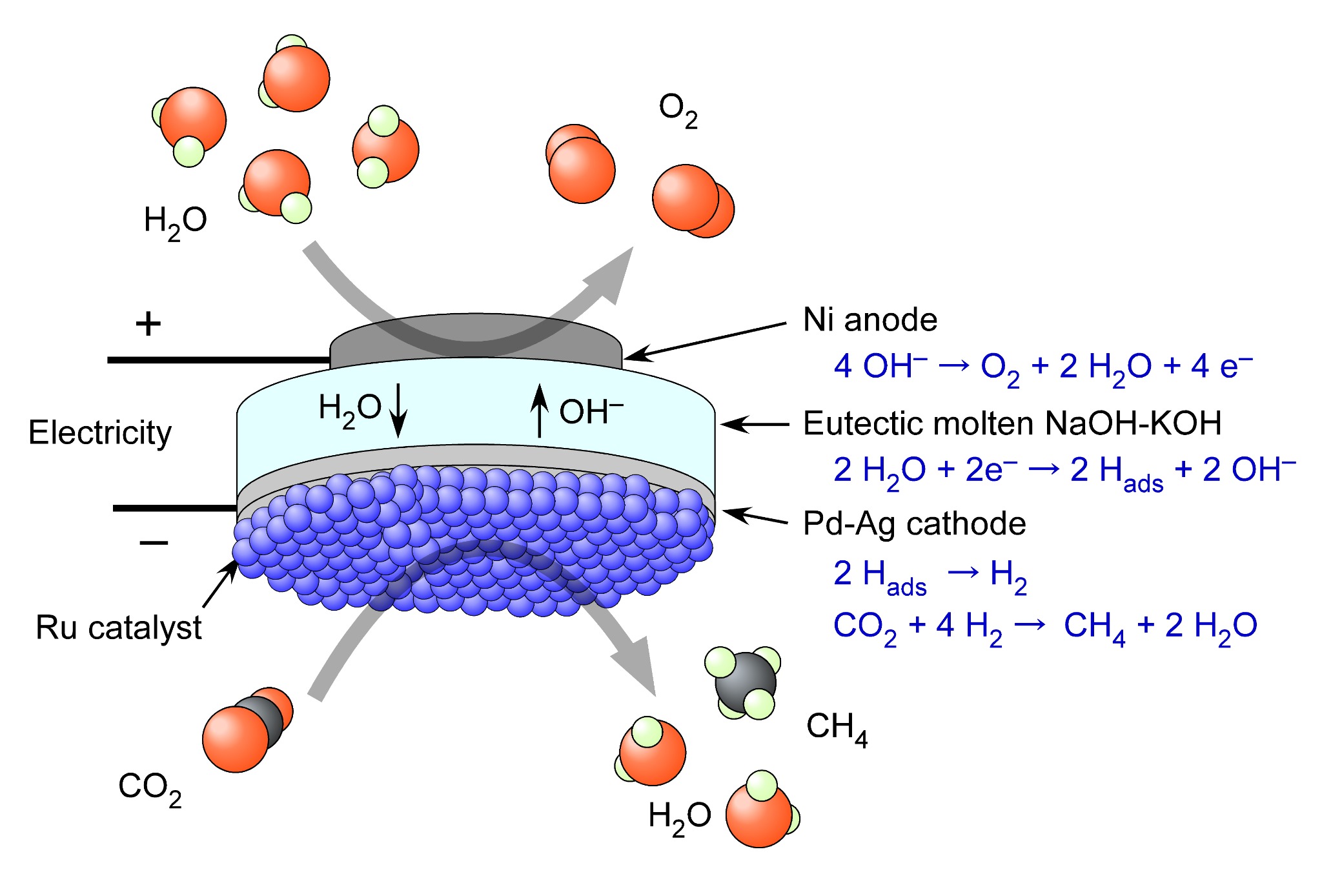
An alternative is to produce hydrogen using water electrolysis and then combine it with carbon dioxide through a catalytic reaction known as the Sabatier reaction. This reaction produces methane with high selectivity, avoiding some of the difficulties associated with direct electrochemical reduction. Combining both processes in a single reactor could provide a more efficient way to produce methane. However, finding an electrolyte that works well at the required temperatures remains difficult. Polymer electrolytes degrade at high temperatures, and operating at lower temperatures slows down the catalytic reaction. Phosphate-based electrolytes can operate at around 250 °C, but corrosion of the anode becomes a problem, especially at higher current densities. The electrolyte must conduct ions efficiently without damaging the electrodes.
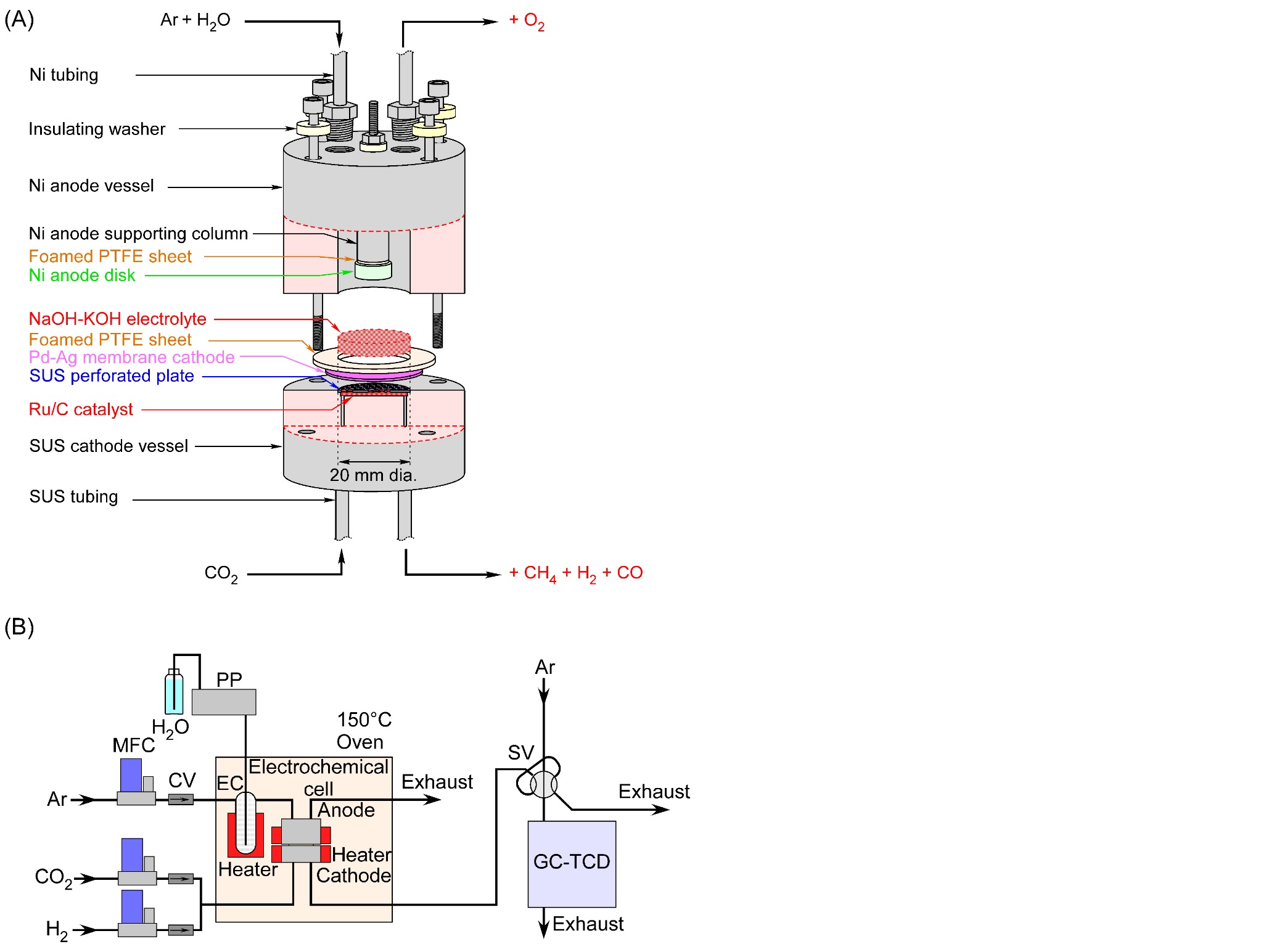
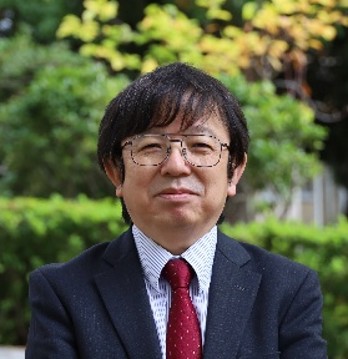
In a recent research paper published in Sustainable Energy & Fuels, Ms. Wakana Seki, Mr. Raisei Sagara, Ms. Aika Hirata, and Professor Jun Kubota from Fukuoka University in Japan developed an electrochemical membrane reactor that produces methane from carbon dioxide and water at approximately 250 °C. The new reactor consisted of a nickel anode, a palladium–silver (Pd–Ag) membrane cathode, and a ruthenium catalyst supported on carbon (Ru/C). The membrane served as the cathode for water electrolysis and allowed the hydrogen produced to pass through to the catalyst, where it reacted with carbon dioxide to form methane. It also kept carbon dioxide away from the alkaline electrolyte, preventing the formation of carbonates that could interfere with the process.
Experiments and Findings
The electrolyte contained a mixture of sodium hydroxide (NaOH) and potassium hydroxide (KOH), which has a lower melting point than either compound alone. The mixture also absorbed water from the humid gas supplied during electrolysis, and formed a concentrated alkaline liquid that can operate at the temperatures required for methane production.
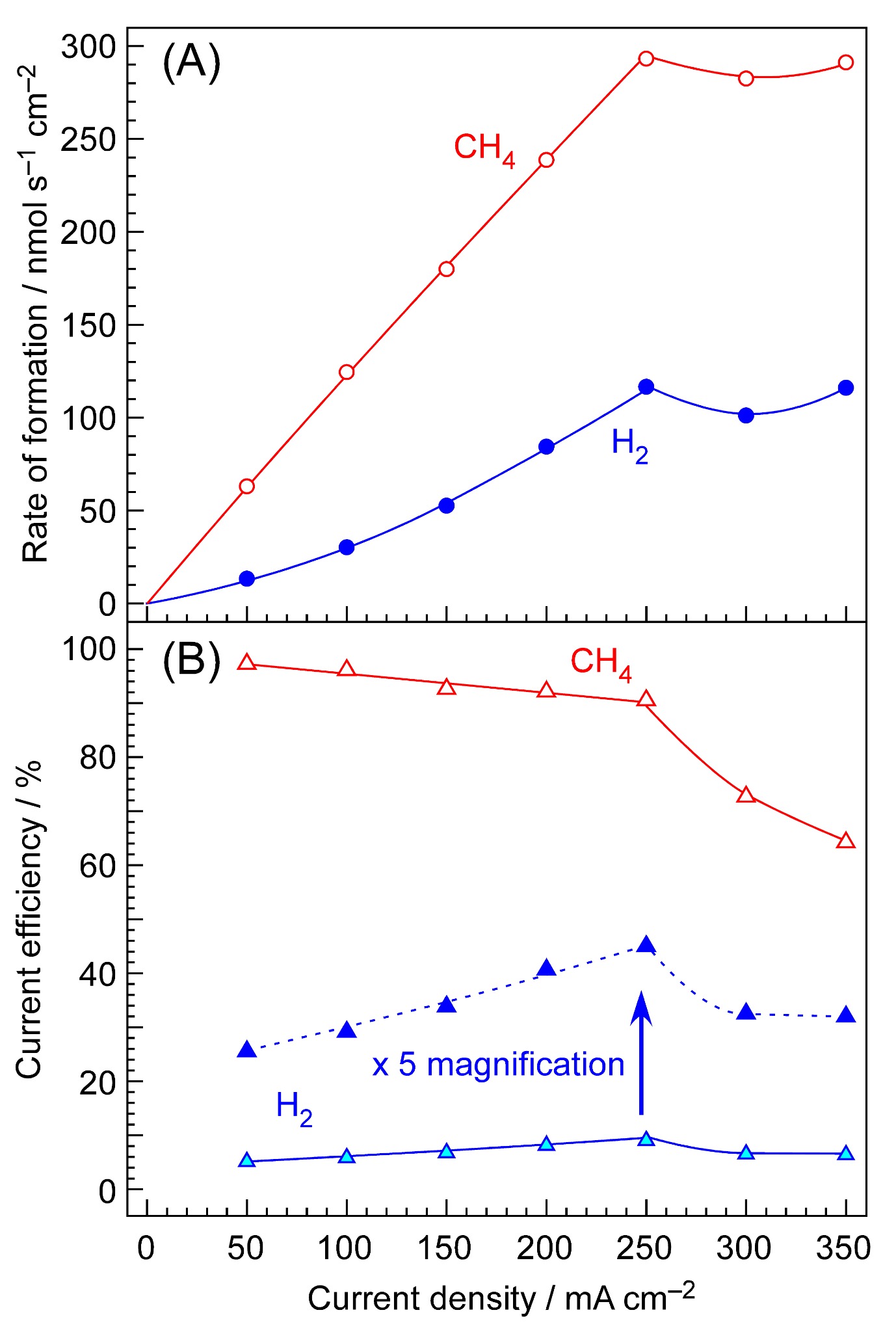
The authors found at 250 °C, approximately 95% of the electrical current contributed to methane production, with only a small proportion producing hydrogen. No carbon monoxide was detected, and similar methane efficiencies were achieved at 230 °C, indicating that the reaction was close to its thermodynamic equilibrium. They also observed at lower temperatures, the efficiency of both methane and hydrogen decreased, showing that slower catalytic activity alone could not explain the loss of performance. Carbon monoxide also appeared, pointing to incomplete conversion during the catalytic reaction. The researchers proposed that changes in the electrolyte’s viscosity near its melting point could weaken the separation between the electrodes, allowing gases to leak between the two sides of the reactor.
The team also examined how current density affected methane production. At 250 °C, methane production increased with current density, reaching a current efficiency of 91% at 250 mA cm⁻². Beyond this point, methane production stopped increasing, and the overall current efficiency began to decline. They wanted to understand this behavior, so they analyzed the gases leaving the anode and found very little hydrogen detected at lower current densities, but its concentration increased sharply as the current rose. Some hydrogen was escaping into the electrolyte compartment instead of passing through the membrane to the catalyst, reducing the amount available for methane production.
Although calculations suggested that the Pd–Ag membrane could transport the required amount of hydrogen, the experiments indicated that hydrogen transport was less effective under these conditions. Possible explanations included hydrogen accumulating near the membrane or changes in its permeability. Preventing this leakage would also help reduce the risk of hydrogen mixing with oxygen in the anode exhaust.
The researchers also assessed the electrical performance of the reactor. At moderate current densities, the cell operated at relatively low voltage and achieved an estimated methane production energy efficiency of 62%, excluding the energy required for heating and methane liquefaction. However, the voltage increased considerably at higher current densities, reducing energy efficiency.
Electrochemical impedance measurements showed that the NaOH–KOH electrolyte had high ionic conductivity, so its resistance was not the main cause of the increased voltage. The researchers suggested that oxygen bubbles forming at the anode could contribute to this increase. The cell voltage also remained relatively stable during 15 days of testing, with no significant signs of electrochemical degradation.
Engineering Significance
Overall, the new study by The Fukuoka University team demonstrated that methane can be produced from carbon dioxide and water by combining water electrolysis with catalytic methane formation, rather than directly reducing carbon dioxide at an electrode. Keeping these processes separate within the same reactor allows each to operate under suitable conditions.
Few electrolytes can operate effectively at temperatures between 200 and 400 °C. The concentrated alkaline mixture provides high ionic conductivity and works with a nickel anode, reducing the corrosion and thermal stability concerns associated with electrolytes used in earlier studies. The new findings also show that high ionic conductivity alone is not enough for efficient methane production. At higher current densities, hydrogen transport and gas separation become increasingly important. Improving these aspects of the reactor could help maintain methane production at higher currents. Reducing voltage losses at the electrodes could also improve energy efficiency.



Reference
Seki, Wakana & Sagara, Raisei & Hirata, Aika & Kubota, Jun. (2026). Methane synthesis from CO2 and H2O with concentrated NaOH–KOH electrolyte at 200–250 °C using electrochemical Pd–Ag membrane reactor. Sustainable Energy & Fuels. 10. 2070-2080. 10.1039/D5SE01657F.