Advances in Engineering Advances in Engineering features breaking research judged by Advances in Engineering advisory team to be of key importance in the Engineering field. Papers are selected from over 10,000 published each week from most peer reviewed journals.

Chemical Engineering Journal, Volume 230, 2013, Pages 499-505.
M.S. Ak, M. Muz, O.T. Komesli, C.F. Gökçay.
Department of Environmental Engineering, Middle East Technical University, 06531 Ankara, Turkey and
Ataturk University, Department of Environmental Engineering, 25250 Erzurum, Turkey.
Abstract
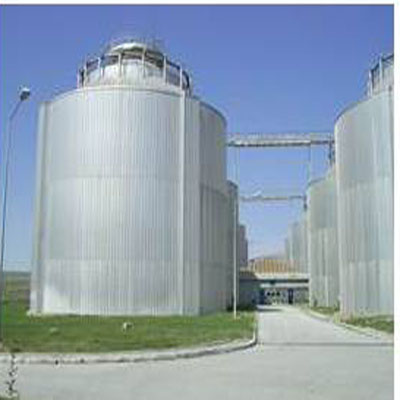
Elimination of large amounts of sludge produced during biological treatment is a pressing environmental issue both in this country and elsewhere. For example EU Landfill Directive 99/31/EC [41] prohibits landfilling of both liquid and untreated wastes with a target to reduce the current amount of bio-degradable wastes, including sewage sludge, 50% and 65% by the years 2013 and 2020, respectively. Anaerobic digestion has now proven to be the most energy efficient way of destroying and stabilizing waste activated sludge and the methane by-product is a form of fuel. It is demonstrated in this research that anaerobic digestion of waste activated sludge, when coupled with mild ozone treatment (e.g., 1.33 mg O3/g-VSS), practically doubles the volume of biogas produced as compared to conventional digesters, while producing no waste sludge for disposal. Ozone treatment of the feed sludge also affects enhanced removal of endocrine disrupting compounds, EDCs, sorbed onto the sludge.